
The Nature of Luck in Gambling
Luck plays a crucial role in the world of gambling, defining the very essence of casino games. Whether it’s the roll of the dice in craps, the spin of a roulette wheel, or the shuffle of cards in poker, chance significantly influences the outcomes, often overshadowing skill and strategy. Many players enter casinos with the belief that luck can drastically change their fortunes, leading them to pursue neosurf casino instant withdrawal australia games that offer varying levels of chance. This intrinsic uncertainty is what draws both casual gamblers and seasoned players alike, creating an electrifying atmosphere of anticipation with every bet placed.
Psychologically, the concept of luck can be quite powerful. When players experience a streak of good fortune, they often feel invincible, which can lead to increased risk-taking behavior. This phenomenon, known as the “gambler’s fallacy,” highlights how individuals may start to believe that past results influence future outcomes. For instance, if a player wins several rounds in a row, they might convince themselves that they are on a “lucky streak,” prompting them to wager more aggressively, which can ultimately lead to higher losses if luck turns against them.
Moreover, the idea of luck extends beyond just individual games; it also permeates the entire casino environment. Casinos often create an ambiance of excitement, encouraging players to feel that they can change their luck simply by walking through the door. This psychological manipulation reinforces the belief that anyone can be the next big winner, despite the odds being stacked against them. Thus, luck serves not only as an element of chance but also as a factor that fuels the allure and excitement of gambling experiences.
The Role of Strategy in a Game of Chance
While luck is undeniably a key component of success in casinos, strategy also plays a crucial role in navigating the unpredictable nature of games. Players often employ specific strategies not only to maximize their potential winnings but also to mitigate losses. For instance, card players frequently use techniques such as counting cards or understanding betting patterns to make informed decisions, hence providing a semblance of control amid the randomness of chance.
However, it’s essential to recognize that even with strategic planning, the element of luck can still dominate the outcome. A well-thought-out strategy may improve a player’s odds, but it cannot eliminate the inherent uncertainties associated with gambling. For example, in blackjack, while a player might be adept at managing their bets and reading their opponents, a crucial card being dealt incorrectly can still derail their entire game. This interplay of luck and strategy highlights the delicate balance players must maintain while gambling.
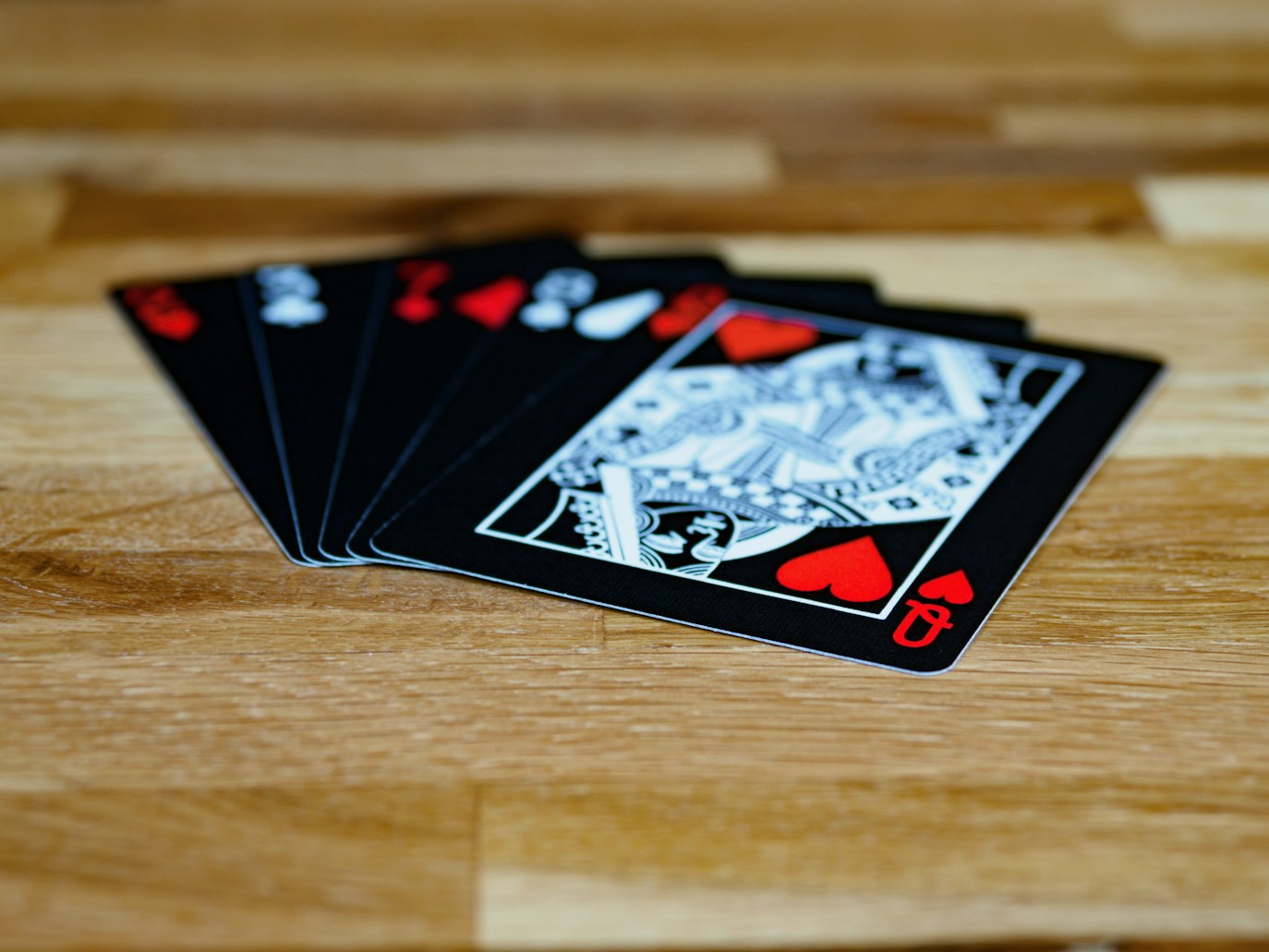
Ultimately, successful gambling often comes down to how well players can adapt their strategies according to the luck they experience. A flexible approach allows players to adjust their tactics based on the game’s current dynamics. This adaptability means that while luck might dictate short-term outcomes, strategic thinking is essential for long-term success. Players who can master both aspects maximize their chances of walking away with their pockets heavier than when they arrived.
The Psychology of Winning and Losing
The psychological impact of winning and losing in casinos cannot be understated, as these experiences are deeply intertwined with the concept of luck. Winning can produce feelings of euphoria and empowerment, leading players to believe in their “lucky charm” or that they possess a unique ability to win. This mindset can lead to an increase in gambling frequency, as individuals chase the high associated with winning, often disregarding the statistical realities of the games.
Conversely, losses can evoke a different psychological response, sometimes leading to irrational decisions fueled by emotions. Players may attempt to recover their losses through additional gambling, often doubling down on their bets or participating in games that offer higher stakes, believing that luck will eventually turn in their favor. This behavior can lead to a cycle of chasing losses that can be detrimental to both financial and mental well-being.
Moreover, this psychological cycle highlights the importance of understanding personal limits and recognizing when luck is not on one’s side. Casinos often encourage responsible gambling practices, but the nature of luck complicates this dialogue. When players commit to a budget and adhere to it, they can enjoy the thrill of the games without succumbing to the detrimental effects of poor decision-making driven by emotional responses to luck, thereby fostering a healthier gambling experience overall.
The House Edge: Understanding Odds and Chance
In the casino world, the house always has an edge, meaning that over time, the odds are designed to favor the casino. This aspect is crucial to understanding how luck interacts with chance and success in gambling. The house edge varies by game, impacting players’ long-term success rates and reinforcing the importance of luck in individual sessions. For instance, games like baccarat and blackjack may present lower house edges compared to slots, resulting in a more favorable outcome for informed players who still acknowledge the role of chance.

Nevertheless, players must recognize that a favorable house edge does not eliminate the role of luck within individual gaming sessions. Regardless of one’s strategy, a player might face bad luck and experience a series of losses, which can lead to frustration and second-guessing their choices. Thus, understanding the house edge is an essential part of gambling, equipping players with the knowledge necessary to make informed decisions while also remaining cognizant of the unpredictable nature of luck.
The interplay between odds and luck further underscores the significance of risk management in gaming strategies. Armed with an understanding of the house edge, players can make calculated decisions while accounting for the potential influence of luck during gameplay. This dual-awareness can enhance the overall gambling experience, as players feel more empowered and prepared to face both the thrill of winning and the disappointment of losing, making it an integral aspect of casino culture.
Exploring Online Casinos and Strategies
In recent years, online casinos have risen in popularity, providing players with a new avenue for gambling that combines the thrill of chance with the convenience of digital gameplay. Online platforms often feature diverse games, including traditional favorites like poker and roulette, alongside innovative titles that leverage technology. The role of luck remains paramount in these environments, where random number generators ensure that games remain fair yet unpredictable.
The allure of online casinos often lies in the prospect of hitting a significant jackpot with minimal effort, tapping into players’ desire for luck to play in their favor. With the accessibility of these platforms, many individuals may engage in gaming more frequently than they would in traditional casinos, sometimes leading to an oversaturation of risk-taking behavior. As a result, players are encouraged to adopt strategies not just for game mechanics but also for time and money management, ensuring that they approach online gambling with a balanced mindset.
Moreover, online casinos provide extensive resources and guides to educate players about luck and strategy, helping them navigate the complexities of chance in an online format. These resources empower individuals to cultivate a sense of responsibility, enabling them to establish boundaries and recognize when luck is not aligning in their favor. By understanding the dynamic of luck and strategy in online casinos, players can enhance their gaming experience while minimizing potential pitfalls associated with impulsive decisions.
