
The Nature of Luck in Gambling
Luck is often perceived as a mysterious force that can dramatically influence outcomes in games of chance. In a casino setting, where games such as slots, roulette, and poker prevail, the random nature of results can make it seem that luck is a significant factor in determining success. Many players feel that a lucky day can lead to substantial winnings, while a string of unfortunate events can yield losses that appear almost inevitable. Furthermore, those seeking excitement might explore a fast withdrawal casino for quick payouts, yet it is crucial to understand that while luck plays a role, it does not operate independently. Instead, it interacts intricately with skill, strategy, and the mechanics of the games themselves.
The perception of luck varies greatly among players. For some individuals, wearing a specific outfit or carrying a good luck charm can instill a sense of confidence that positively influences their mindset. This psychological aspect cannot be underestimated; a player who feels fortunate is likely to engage more enthusiastically, potentially leading to better decisions during high-pressure scenarios. On the flip side, a player convinced that they are doomed to misfortune may abandon sound strategies, resulting in poorer outcomes. Recognizing this interplay between belief and behavior can be the first step toward a more rewarding gambling experience.
Furthermore, the role of luck can also be viewed through the lens of game design. Casino games are crafted with a built-in house edge, which means that over time, the odds are inherently skewed in favor of the casino. While individual sessions may yield wins or losses, the overarching experience will be dictated by mathematical probabilities. Understanding this can help players manage their expectations and approach their gambling endeavors with a more informed mindset, allowing them to enjoy the thrill of the game without falling prey to unrealistic hopes of endless luck.
The Psychological Impact of Believing in Luck
Believing in luck can significantly shape a player’s experience at a casino. When individuals approach gaming venues with a positive outlook and a conviction that they are fortunate, they tend to derive more enjoyment from their experiences. Psychological research suggests that mindset can impact performance in various arenas, including gambling. A player who exudes confidence may take more calculated risks or adopt a strategic approach, thus potentially enhancing their chances of success. This concept underscores the importance of mental attitude in achieving a satisfying casino experience.
On the contrary, a belief in bad luck can spiral into a detrimental cycle of anxiety and poor decision-making. If a player enters a casino feeling pessimistic, this mindset may cloud their judgment and prevent them from making rational choices. This phenomenon is particularly evident when players chase losses—a common behavior in gambling—which can be aggravated by feelings of ill fortune, leading to further financial loss and disappointment. Acknowledging the psychological impacts of luck can help players appreciate the importance of maintaining a balanced mindset while gambling.
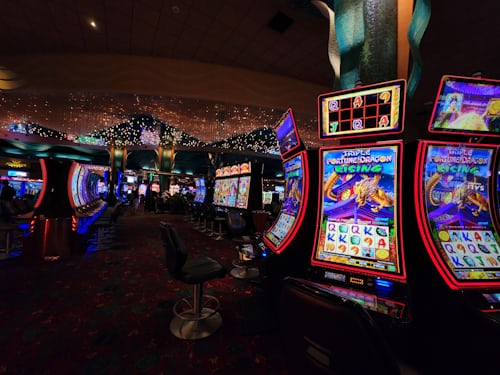
The social environment of casinos further complicates the relationship between luck and psychology. Players often share their luck-related stories with friends, creating a social contagion effect where one person’s excitement about a winning streak can amplify the enthusiasm of others. This social aspect reinforces the notion that luck can be contagious, prompting individuals to seek out others’ experiences to bolster their own beliefs in favorable outcomes. Consequently, the casino transforms into more than just a gambling venue; it becomes a social space where luck manifests as both an individual and collective experience.
Strategies to Enhance Your Gambling Experience
While luck is inherently unpredictable, players can employ various strategies to enhance their overall casino experience. One effective tactic is to manage one’s bankroll responsibly. By establishing clear limits on spending, players can create a sense of control and reduce the anxiety commonly associated with gambling. Adhering to these financial boundaries allows players to enjoy their time at the casino without the fear of chasing losses or feeling overwhelmed by the inherent financial risks. This structured approach fosters a more relaxed and enjoyable atmosphere for gambling.
Moreover, opting for games with better odds can significantly influence a player’s experience. For instance, table games such as blackjack and poker generally offer better winning prospects compared to traditional slots. Players who familiarize themselves with the rules and strategies of these games may rely more on skill than mere chance, leading to potentially more favorable outcomes. This empowerment through knowledge allows players to make informed decisions, enhancing both their enjoyment and success at the casino.
Incorporating intentional breaks into the gambling experience is another valuable strategy. Continuous play can lead to fatigue and impaired decision-making, while taking periodic breaks allows players to refresh their minds and reassess their strategies. Whether it involves stepping away for a meal or engaging in other entertainment options available at the casino, these intermissions can significantly enhance overall satisfaction. A balanced approach ensures that players maintain their enthusiasm and enjoyment throughout their casino visit, transforming it into a memorable and pleasurable experience.
The Role of Chance Versus Skill
The ongoing debate over whether luck or skill plays a more crucial role in gambling outcomes has fascinated many. Some argue that games of chance, such as slots and roulette, rely exclusively on luck, while others contend that skill-based games, like poker, offer opportunities to influence outcomes. The reality is more nuanced: while luck undeniably plays a role in all casino games, skill can often provide a substantial advantage in specific contexts. For example, in poker, players can leverage strategy, psychology, and probability to make informed decisions that can mitigate the effects of luck.
Even in games predominantly driven by chance, an understanding of game mechanics can influence a player’s overall experience. Knowledge of odds, payout structures, and game rules allows players to make more informed decisions during play. This expertise can shift the focus from mere hope for good fortune to a more engaging understanding of the game. Players who delve deeper into the intricacies of the games may find their experiences enriched, blending the thrill of chance with the satisfaction of cognitive engagement.
Ultimately, recognizing the coexistence of luck and skill can foster a healthier perspective on gambling. Players should acknowledge that while they cannot control luck, they can control their approach to the gaming experience. Those who engage with games thoughtfully and strategically may find themselves enjoying not only the thrill of potential winnings but also the intellectual challenge that each game presents, making the overall casino experience significantly more rewarding.
Exploring More About Casino Experiences
In conclusion, while luck undeniably plays a vital role in the casino experience, it is not the sole determinant of success. Understanding the psychological effects of luck, employing effective strategies, and recognizing the balance between chance and skill can greatly enhance a player’s overall experience. By managing expectations and approaching gambling with informed strategies, players can relish the excitement of the casino while minimizing potential risks.
For those eager to explore their gambling experiences further, a plethora of resources is available. Engaging with educational materials, delving into articles focused on game strategies, and participating in forums dedicated to gambling discussions can enrich one’s understanding of the casino landscape. Ultimately, a well-rounded approach that acknowledges the unpredictable nature of luck while embracing strategy and psychological well-being can lead to a more enjoyable and fulfilling casino adventure.
The journey of understanding luck in gambling does not end with individual experiences. Many dedicated websites offer insights into various games, strategies, and psychological factors influencing gambling. By leveraging these resources, players can enhance their skills and cultivate a more comprehensive understanding of the gaming environment. Embracing both the thrill of chance and the importance of informed decision-making can transform the casino experience into one that is not only exhilarating but also rewarding in multiple dimensions.
